
Introduction to Gully Trap
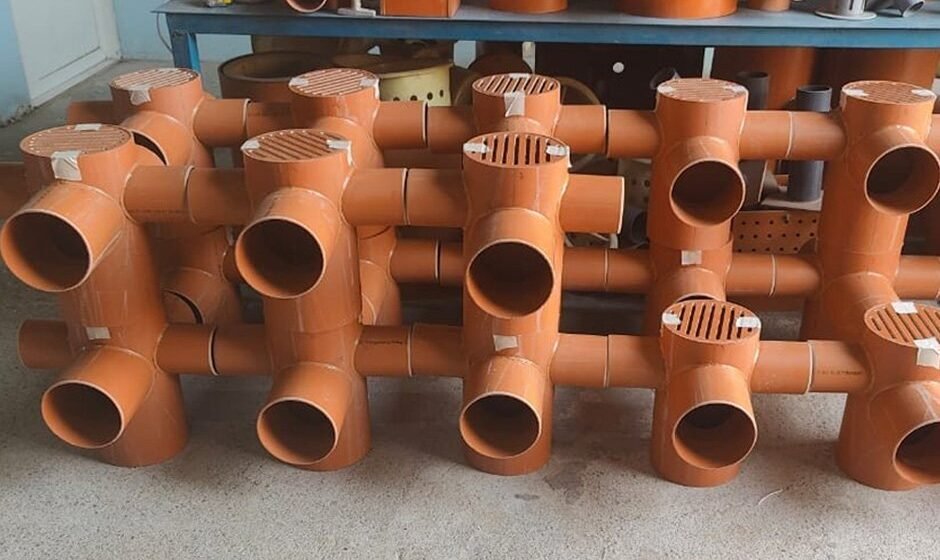
A gully trap is an important component of a building’s drainage system that helps prevent unpleasant smells, harmful gases, and insects from entering homes and commercial spaces. It is commonly installed outside buildings, near kitchens, bathrooms, and wastewater outlets to maintain a clean and hygienic environment.
Although a gully trap is a small plumbing feature, it plays a major role in protecting indoor spaces from drainage problems and improving overall sanitation.
What Is a Gully Trap?
A gully trap is a type of plumbing trap designed to collect wastewater from sinks, bathrooms, and other areas before it enters the main drainage line. It contains a small amount of standing water, known as a water seal, which blocks sewer gases from coming back into the building
The trap is usually made from materials such as ceramic, cast iron, or plastic and is installed below ground level with a removable cover for easy cleaning and maintenance.
How Does a Gully Trap Work?
The working principle of a gully trap is simple. When wastewater flows through the trap, it passes into a small chamber where water remains trapped. This water layer creates a barrier between the drainage system and the outside environment.
The water seal prevents foul odors, bacteria, and harmful gases from moving through the pipes and entering living areas. At the same time, it allows wastewater to flow smoothly into the main sewer line.
Types of Gully Traps
Different types of gully traps are available depending on the design and drainage requirements. Some common types include:
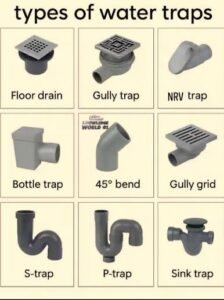
Standard Gully Trap
This is the most commonly used type in residential buildings. It collects wastewater from kitchens, washing areas, and bathrooms before sending it to the drainage system.
Deep Seal Gully Trap
A deep seal trap contains more water and provides better protection against sewer gases. It is often used in areas where odor control is a major concern.
Floor Gully Trap
This type is installed inside bathrooms and wet areas to collect water from floors and prevent flooding.
Importance of Installing a Gully Trap
A properly installed gully trap provides several benefits for homes and buildings. It helps maintain hygiene by stopping unpleasant smells and preventing insects from entering through drainage pipes.
It also reduces the risk of blockages by collecting dirt, waste materials, and debris before they reach the main drainage system. This makes cleaning and maintenance easier.
Gully Trap Installation Process
Installing a gully trap requires proper planning and accurate placement. The trap is usually positioned outside the building at a suitable point where wastewater can easily flow into it.
During installation, plumbers ensure that the drainage pipes have the correct slope for smooth water movement. The trap must also be properly sealed to prevent leaks and maintain an effective water barrier.
Common Problems with Gully Traps
Like other plumbing components, gully traps can develop issues over time. Common problems include bad odors, water overflow, and blockages caused by dirt or waste buildup.
Regular cleaning and proper maintenance can help prevent these issues. Checking the water seal and removing accumulated debris are important steps for keeping the drainage system working efficiently.
Maintenance Tips for a Gully Trap
To keep a gully trap in good condition, homeowners should clean it regularly and avoid throwing solid waste into drains. The cover should remain properly fitted to prevent unwanted materials from entering.
Professional inspection is also recommended if there are repeated drainage problems or unpleasant smells coming from the trap.
Conclusion
A gully trap is a simple but essential part of modern drainage systems. It helps control odors, improve hygiene, and protect buildings from sewer-related problems. With proper installation and regular maintenance, a gully trap can provide long-lasting performance and keep drainage systems functioning smoothly.