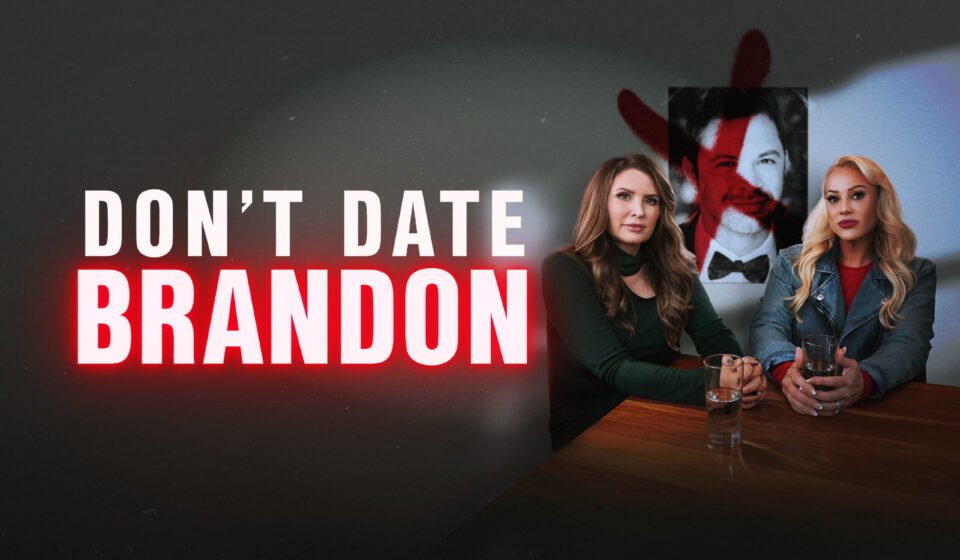

The phrase “Don’t Date Brandon” has caught attention online because it sounds like more than a simple warning. It immediately makes people curious: Who is Brandon? Why shouldn’t someone date him? And is the phrase connected to a real story, a fictional character, or an internet trend?
Like many memorable phrases on the internet, “Don’t Date Brandon” works because it creates mystery. A short statement can encourage people to search for more information and discuss its meaning on social media.
What Does “Don’t Date Brandon” Mean?
At its simplest, “Don’t Date Brandon” is a warning directed at someone named Brandon. However, its exact meaning depends on the context in which it is used.
The phrase can appear as part of online discussions, entertainment content, relationship stories, memes, or fictional narratives. In some cases, people may use a person’s name humorously, while in other situations, the phrase can represent a story involving relationships and personal experiences.
The interesting part is that the wording does not explain everything. Instead, it leaves the audience with a question, which is one reason phrases like this can become searchable topics.
Why Is “Don’t Date Brandon” Interesting to People?
Internet audiences are naturally attracted to unusual titles and statements. “Don’t Date Brandon” is short, direct, and personal. It sounds like advice from someone who already knows something the reader does not.
That curiosity can lead people to search for the phrase, look for videos or posts connected to it, and discuss possible explanations.
Names also make online content feel more personal. Instead of saying “don’t date him,” using “Brandon” gives the phrase a specific identity and makes it easier to remember.
The Relationship Angle
Dating-related stories are popular because relationships are familiar to almost everyone. People often search for information about red flags in relationships, unhealthy dating behavior, relationship advice, and dating mistakes.

A phrase such as “Don’t Date Brandon” can therefore attract attention because readers may expect a story about warning signs or an unusual relationship experience.
However, it is important not to assume that every online claim about a real person is factual. When a name is associated with a viral story, readers should consider the original source and distinguish between confirmed information, personal opinions, jokes, and fictional content.
Social Media and Viral Phrases
Social media has changed the way stories spread. A memorable phrase can appear in a post, video, comment, or short-form content and then be repeated by thousands of users.
Once people begin searching for the phrase, additional creators may produce content around it. This can make the original topic even more recognizable.
“Don’t Date Brandon” has the type of wording that works particularly well as a social-media hook. It is short enough for a caption or headline while still creating an information gap that encourages people to keep reading.
What Can We Learn From Dating-Warning Stories?
Whether a story is real or fictional, dating-warning content can provide an opportunity to discuss healthy relationships.
Instead of focusing only on someone’s name, people should pay attention to behavior. Consistent dishonesty, disrespect, manipulation, controlling behavior, broken boundaries, and unwillingness to communicate can all be important relationship warning signs.
A healthy relationship should involve trust, respect, communication, and mutually respected boundaries.
Why Context Matters
One of the biggest problems with viral internet stories is that information can become separated from its original context. A short video or post may leave out important details, while comments and reposts can add claims that were never confirmed.
For that reason, anyone researching “Don’t Date Brandon” should look for the original source and reliable information before accepting a claim as fact.
Final Thoughts
“Don’t Date Brandon” is an intriguing phrase because it combines a familiar topic—dating—with a specific name and a mysterious warning. Whether someone encounters it through social media, entertainment content, or an online discussion, the phrase naturally raises questions.
The broader lesson is more useful than the name itself: when it comes to dating, focus on actions, communication, respect, and personal boundaries rather than rumors or viral claims. Online trends can be entertaining, but relationship decisions should always be based on reliable information and real-life behavior.