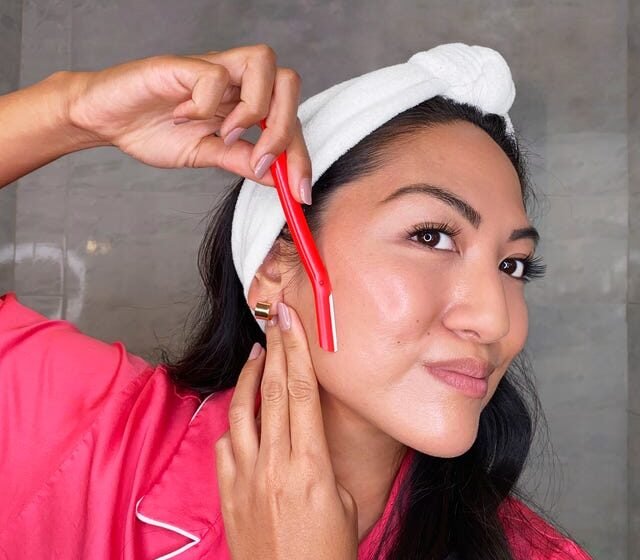

Dermaplaning has become one of the most popular skincare treatments for people who want smoother, brighter, and healthier-looking skin. This simple cosmetic procedure removes dead skin cells and fine facial hair from the surface of the skin. As a result, the face can look fresher and makeup may apply more smoothly.
Unlike some advanced skin treatments, dermaplaning does not involve harsh chemicals or lasers. However, it should still be performed carefully by a trained skincare professional. Understanding how dermaplaning works, its benefits, and possible side effects can help you decide whether it is suitable for your skincare routine.
What Is Dermaplaning?
Dermaplaning is a cosmetic exfoliation procedure that uses a sterile surgical blade to gently remove the outermost layer of dead skin cells. During the treatment, the blade is held at an angle and moved carefully across the surface of the skin.
The procedure also removes vellus hair, commonly known as peach fuzz. This is the soft, fine hair that naturally grows on the face. Removing this hair can leave the skin feeling exceptionally smooth.
Dermaplaning is usually performed on areas such as the cheeks, forehead, chin, and jawline. The treatment generally takes around 30 minutes, depending on the individual’s skin and the areas being treated.
Benefits of Dermaplaning
One of the main benefits of dermaplaning is smoother skin. Dead skin cells can build up over time and make the complexion appear dull or uneven. By removing this surface layer, dermaplaning can create a fresher appearance.
Many people also choose dermaplaning because it can improve the appearance of makeup. Foundation and other products may glide onto smoother skin more easily, creating a more even finish.
Other potential benefits include:
- Removal of dead skin cells
- A brighter and smoother-looking complexion
- Removal of fine facial hair
- Improved makeup application
- Temporary improvement in the appearance of dull skin
- Better penetration of some skincare products
Dermaplaning can be especially appealing to people looking for a non-invasive skincare treatment with little or no downtime.
What Happens During a Dermaplaning Treatment?
Before beginning the treatment, the skincare professional will usually cleanse the face to remove makeup, oil, and dirt. The skin should be clean and dry before dermaplaning begins.
A sterile blade is then used to gently exfoliate the skin using short, controlled strokes. The procedure should not be painful, although some people may feel a light scraping sensation.
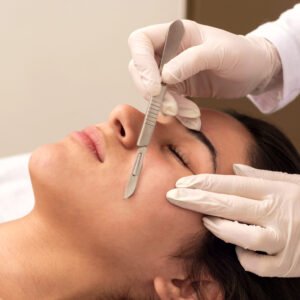
After the exfoliation is complete, soothing skincare products may be applied. These can help hydrate and calm the skin. Because freshly exfoliated skin may be more sensitive to sunlight, applying sunscreen is particularly important.
Does Dermaplaning Make Hair Grow Back Thicker?
A common myth about dermaplaning is that removing facial hair will cause it to grow back thicker or darker. This is not true. Dermaplaning removes hair from the surface, but it does not change the hair follicle or affect how the hair grows.
When the fine hair grows back, it may sometimes feel slightly different because the hair has been cut bluntly at the surface. However, its actual thickness, colour, and growth rate do not change because of dermaplaning.
Who Should Avoid Dermaplaning?
Dermaplaning may not be suitable for everyone. People with active acne, skin infections, open wounds, or significant skin irritation should speak with a dermatologist or qualified skincare professional before having the procedure.
Individuals with certain inflammatory skin conditions may also need professional advice. Using a blade on already irritated skin can potentially cause further irritation.
If you are using strong exfoliating products or prescription skincare treatments, it is also a good idea to ask a skincare professional whether dermaplaning is appropriate for you.
How Often Should You Get Dermaplaning?
The frequency of dermaplaning depends on individual skin needs and professional advice. Many people choose to have the treatment every few weeks, allowing the skin to complete its natural renewal process.
Over-exfoliation can irritate the skin, so more frequent treatments are not necessarily better. A skincare professional can recommend an appropriate schedule based on your skin type and condition.
Final Thoughts
Dermaplaning is a popular exfoliation treatment that can leave the skin looking smoother, brighter, and more refreshed. By removing dead skin cells and fine facial hair, it may also create a better surface for makeup application and skincare products.
Although dermaplaning is generally considered a simple cosmetic procedure, proper technique and hygiene are important. For the safest experience, consider consulting a qualified professional, especially if you have sensitive or problematic skin.
With the right skincare routine and sun protection, dermaplaning can be a useful addition to a beauty routine for those seeking a smoother and more radiant-looking complexion.