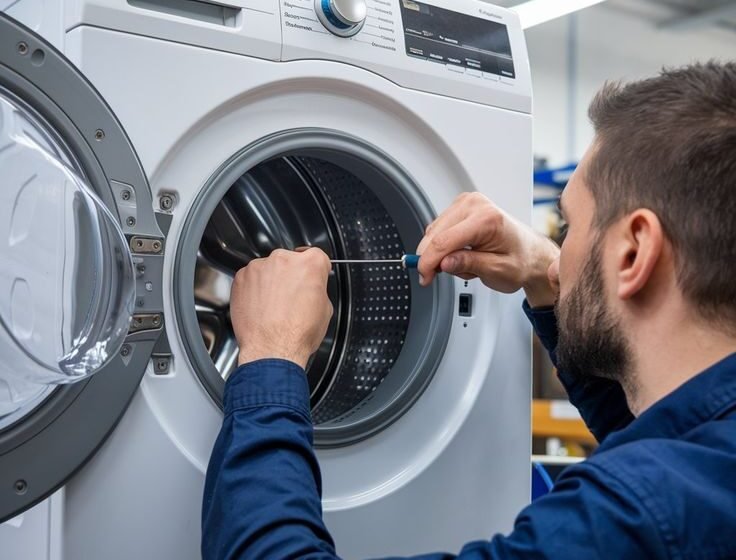

A washing machine is one of the most useful appliances in a modern home. It saves time, reduces physical effort, and makes everyday laundry much easier. However, like any electrical appliance, a washing machine can develop problems over time. From water not draining to unusual noises, small issues can quickly become frustrating if they are ignored.
Understanding common washing machine problems can help you identify when a simple solution is possible and when professional washing machine repair is necessary.
Common Washing Machine Problems
Washing machines can experience different types of problems depending on their age, usage, and maintenance. Some of the most common issues include failure to start, water leakage, poor spinning, drainage problems, and unusual sounds.
In some cases, the problem may be caused by a blocked filter or loose connection. Other issues may involve the motor, pump, belt, door lock, or electronic control board. Identifying the cause early can prevent further damage.
Washing Machine Not Starting
One of the most common complaints is that the washing machine does not turn on. Before calling a technician, check whether the power cable is properly connected and whether the electrical outlet is working.
The door or lid should also be completely closed because many modern machines will not start if the door lock is not activated. If the machine still does not respond, the issue could be related to the door switch, control panel, fuse, or electronic board.
For electrical problems, professional repair is usually the safest option.
Water Not Draining
If water remains inside the drum after a wash cycle, the drain system may be blocked. A clogged drain filter, damaged drain pump, or blocked hose can prevent water from leaving the machine.
You can check the drain hose for visible blockages and clean the filter according to the manufacturer’s instructions. However, if the pump is damaged or the machine continues to hold water, a qualified technician may need to inspect it.
Ignoring drainage problems can lead to unpleasant smells and additional damage.
Washing Machine Making Strange Noises
Unusual sounds are another sign that a washing machine may need attention. A rattling sound could be caused by coins, buttons, or other objects trapped inside the drum or filter.
Loud banging during the spin cycle may indicate an unbalanced load or a problem with the machine’s suspension system. Grinding noises can sometimes point to worn bearings or motor-related issues.
It is better not to continue using the machine if the noise is loud, sudden, or getting worse.
Water Leakage
A leaking washing machine should be checked as soon as possible. Water may leak from the inlet hose, drain hose, door seal, detergent drawer, or internal components.
First, switch off the machine and disconnect the power supply if it is safe to do so. Check the hoses and door seal for visible damage. A cracked hose or worn rubber seal may need replacement.
If the source of the leak is not obvious, professional washing machine repair can help identify and fix the problem before water causes damage to the floor or surrounding areas.
Machine Not Spinning Properly
Sometimes a washing machine completes the wash cycle but fails to spin the clothes properly. This can happen when the drum contains too many clothes or when the load has become uneven.
Redistributing the clothes and running the spin cycle again may solve the problem. If the drum still does not spin, there may be an issue with the belt, motor, lid switch, or control system.
A technician can test these components and determine whether repair or replacement is required.
Why Regular Maintenance Matters
Regular maintenance can extend the life of a washing machine and reduce unexpected repair costs. Clean the detergent drawer and drain filter regularly. Avoid overloading the drum and use the correct amount of detergent.
It is also useful to inspect hoses occasionally for cracks, bulges, or loose connections. Leaving the washing machine door slightly open after use can help the drum dry and reduce unpleasant odors.
When to Call a Professional
Some minor problems can be handled at home, but complicated repairs should be left to trained professionals. Electrical faults, motor problems, damaged control boards, bearing issues, and serious leaks may require specialist tools and experience.
Trying to repair electrical components without proper knowledge can be dangerous and may cause further damage to the appliance.
Choosing a Reliable Repair Service
When choosing a washing machine repair service, look for experienced technicians who work with your machine’s brand and model. Ask about the repair cost, warranty, replacement parts, and expected completion time before approving the work.
A reliable technician should explain the problem clearly and provide a reasonable estimate instead of replacing parts unnecessarily.
Final Thoughts
A washing machine can provide years of reliable service when it is used correctly and maintained regularly. Problems such as drainage failure, leaks, strange noises, and spinning issues should not be ignored.
Simple checks can sometimes solve minor problems, but more serious faults require professional washing machine repair. Getting the appliance inspected early can prevent small issues from becoming expensive repairs and help keep your laundry routine running smoothly.